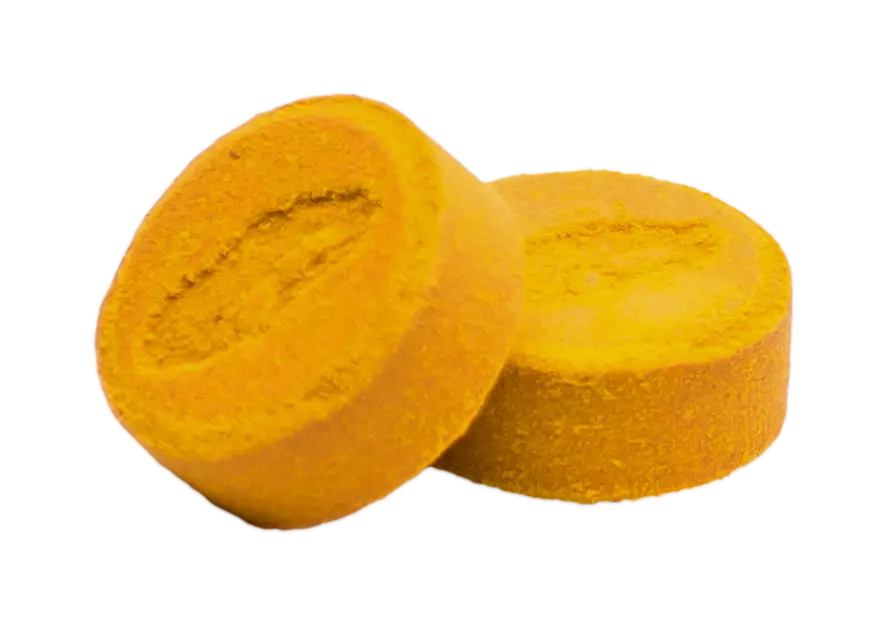
Could your engine run smoother and more responsive, consuming less fuel?
Saving on fuel, smoother running and a more responsive feel after using CarPills is what we and also our customers reported*.
See why ignition quality helps, what the analysis measured and how to check your own results.
* Individual experiences vary.
Drivers reported
smoother running, saved costs
Independently lab-tested
+1.8 cetane points
Check it yourself
track comparable fill-ups
Customer experiences
What drivers noticed in everyday use
These are genuine personal accounts from everyday driving. They show the kinds of changes individual drivers noticed; they are not controlled tests or guaranteed outcomes. Vehicle, fuel, condition and driving style all matter.
We’ve been using CarPills for about six months… fuel consumption has dropped by around 7%. It also seems to us the engine produces less smoke.
The car runs substantially better, engine sounds smoother… and has a more refined operation overall.
Noise reduction, vibration reduction… the engine runs smoother [and] reduced fuel consumption after second fuelling.

Why drivers notice a difference
How ignition quality connects to engine feel
One explanation begins with ignition timing. Cetane number describes how readily diesel starts to ignite after injection. Higher cetane is associated with a shorter ignition delay and a smoother, more controlled start of combustion - which helps explain reports of less diesel knock and smoother or quieter running.
What you may notice
Depending on the engine, fuel and conditions, shorter ignition delay can be experienced as easier starting, less diesel knock and smoother or quieter running. Vehicle response varies.
What it does not prove
A cetane result alone cannot tell us how many litres a vehicle will save. The laboratory analysed fuel properties; it did not run a vehicle fuel-economy test.
Why fuel use matters
If your own like-for-like records show that you use less fuel for the same distance, you buy less fuel and the tailpipe CO₂ produced from burning that fuel falls broadly in step. That benefit is conditional on an actual measured fuel saving.
Measured comparison
Now support the experience with measured evidence
E&S Environmental Services analysed paired customer-supplied fuel samples: one untreated and one treated with CarPills. The reported cetane number was higher in the treated sample.
Important: the analysis measured fuel properties - not vehicle fuel economy. Customer-reported savings are experiences, not guaranteed outcomes.
See methodology, limitations and the fuel report excerpt →
Reported cetane number
Untreated diesel
49.7
Treated diesel
51.5

Measure what happens in your own vehicle
Use several comparable fill-ups before and after treatment, recording distance travelled and actual fuel added rather than relying on a single dashboard reading. Our calculator helps turn those records into an understandable consumption and cost comparison.
If your like-for-like records show 5% less fuel used over the same distance, that means about 5% less fuel purchased and approximately 5% less tailpipe CO₂ from burning that fuel. This is conditional arithmetic - not a guaranteed CarPills result. Honza’s reported 7% reduction remains an individual customer experience.
Three simple steps
Drop. Refuel. Drive.
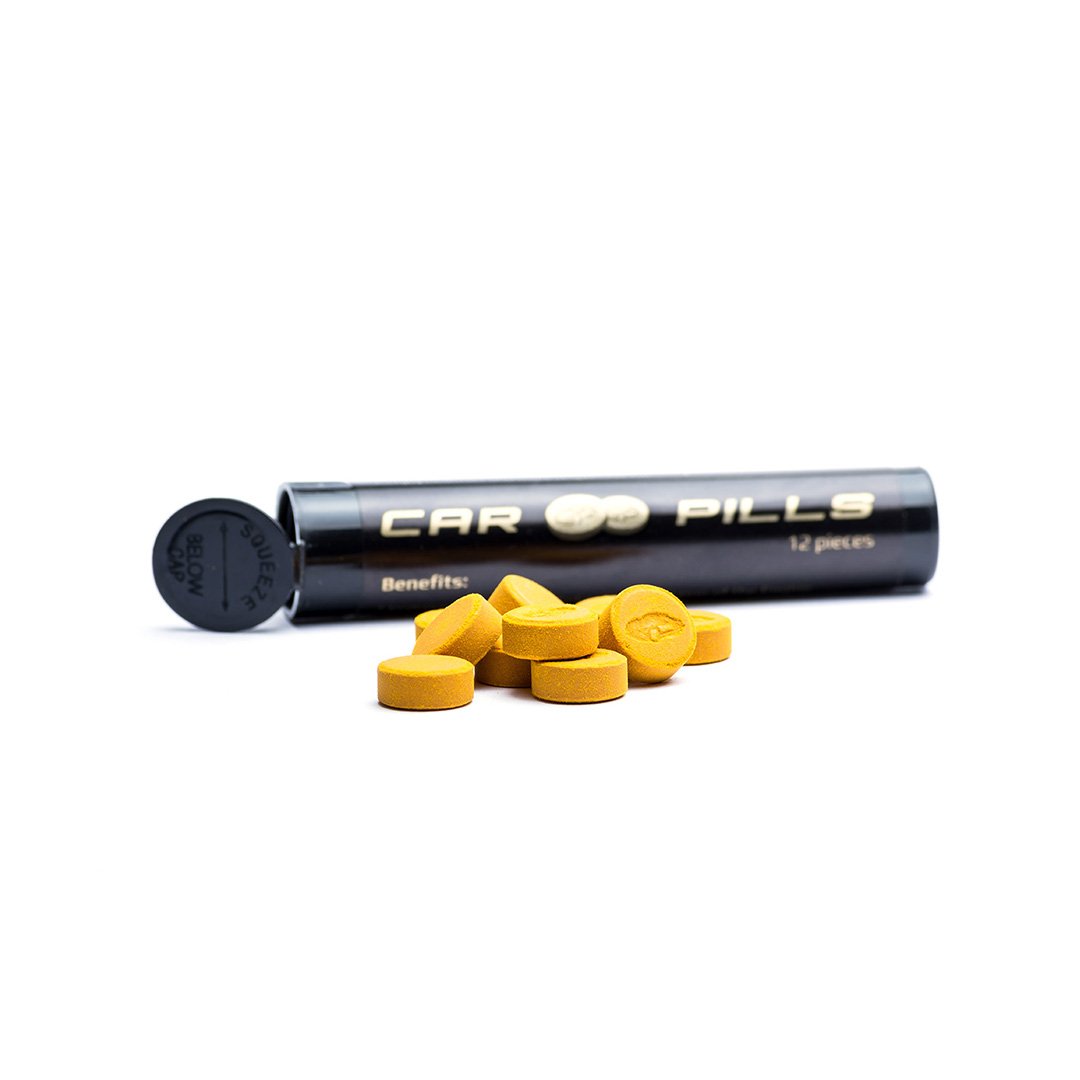
- Check the fuel volume. Use one pill for up to 40 litres.
- Add before refuelling. Incoming fuel helps distribute the additive.
- Close and store the tube. Follow the instructions and keep away from children.
Read the complete usage guide →
Beyond the tablet format
A multi-role formulation for fuel and engine care
CarPills combines measured dosing with components selected to support combustion, fuel-system cleanliness, lubricity and fuel stability. Unlike a liquid bottle, there is nothing to pour or measure at the pump. These are formulation roles, not promises of a particular result in every vehicle.
01
Cleaner support
Cleaner components are included to help manage carbon and gummy deposits in petrol and diesel fuel-delivery and injection systems, supporting a more consistent injector spray pattern.
02
Lubricity support
Lubricity-enhancing, graphene and nanolubricant components provide a friction-related engine-care role. Lubricity is especially relevant to diesel pumps and injectors. This complements - and does not replace - correct fuel and maintenance.
03
Stability and combustion
Stabiliser, antioxidant and combustion-support components are intended to support petrol and diesel fuel condition and more consistent combustion. The available laboratory comparison measured diesel cetane only.
Choose by fuel volume
A pack for trying, regular use or scale
Try CarPills
Single tubes
12 CarPills · treat up to 480 litres
Regular drivers
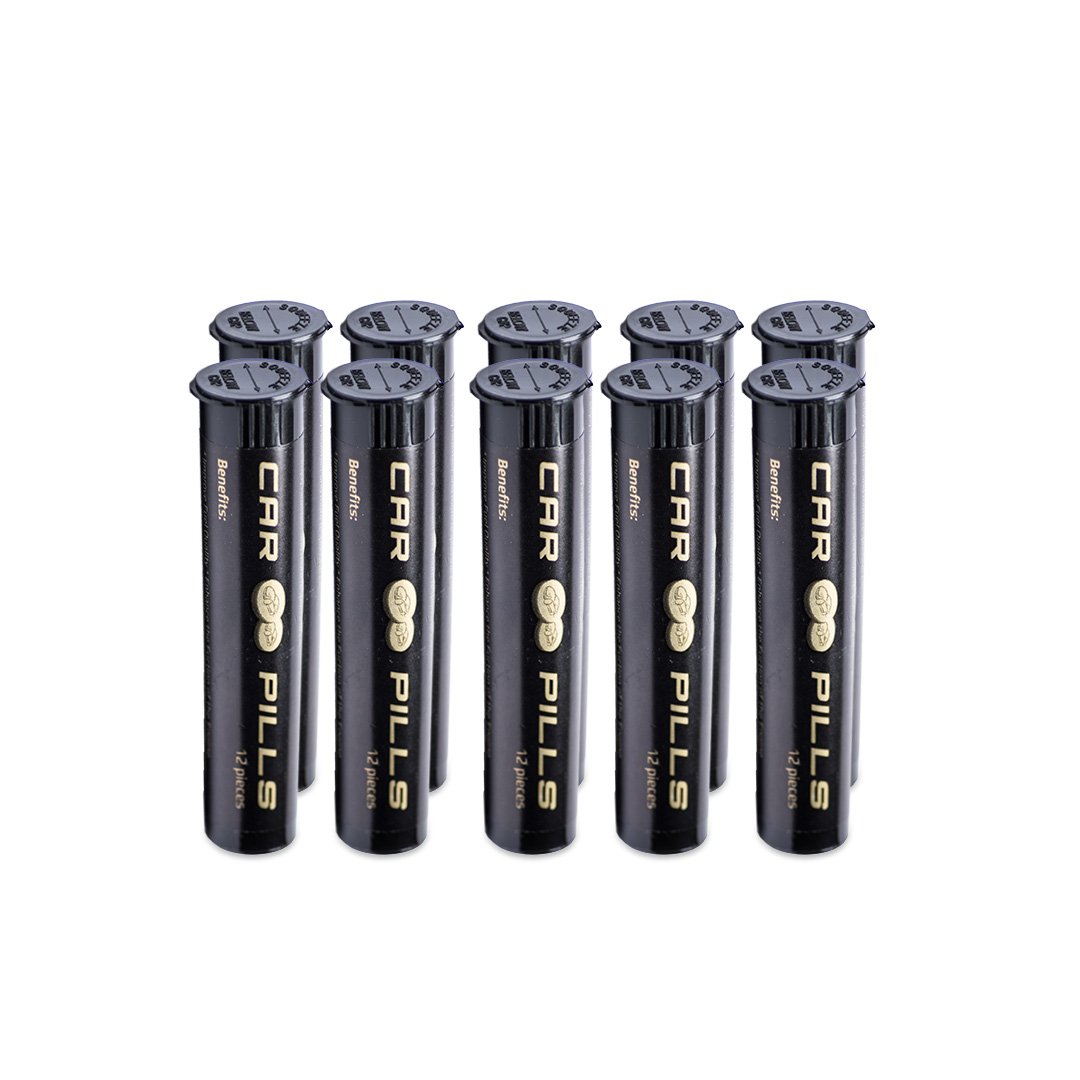
10 tubes
120 CarPills · treat up to 4,800 litres

Fleets and resale
100 tubes
1,200 CarPills · treat up to 48,000 litres
Ready when you are
Try it. Track it. Decide from your own results.
Choose the pack that fits your fuel use, follow the simple dosing instructions and compare like-for-like fill-ups. The measured evidence and its limitations remain available whenever you want the detail.

